
Auschwitz
I spent my day in Poland going to tour the Auschwitz-Birkenau Memorial and Museum.
It’s a two hour train ride from Krakow’s main station, and it costs $3. It took longer than the bus, but I wanted to ride the train to see scenery of what (maybe?) the deported Jews would’ve seen on their way to Auschwitz and reflect on that.
This was a long and heavy day, but I’m really glad that I went. I took a group tour with a guide who works for the museum (alternatively, you can get a private tour company guide or just walk around on your own). He was direct, passionate, and captivating. The first thing he told us was that he wasn’t politically correct. The second thing he said was something along the lines of: “Make no mistake about it – Auschwitz didn’t come about because of ‘Nazis’… who were ‘Nazis’? It was a political party… there were no ‘Nazis’. Auschwitz happened and is in the history because of Germans.” That set the stage for the rest of the day and his explanation of the history of the place.
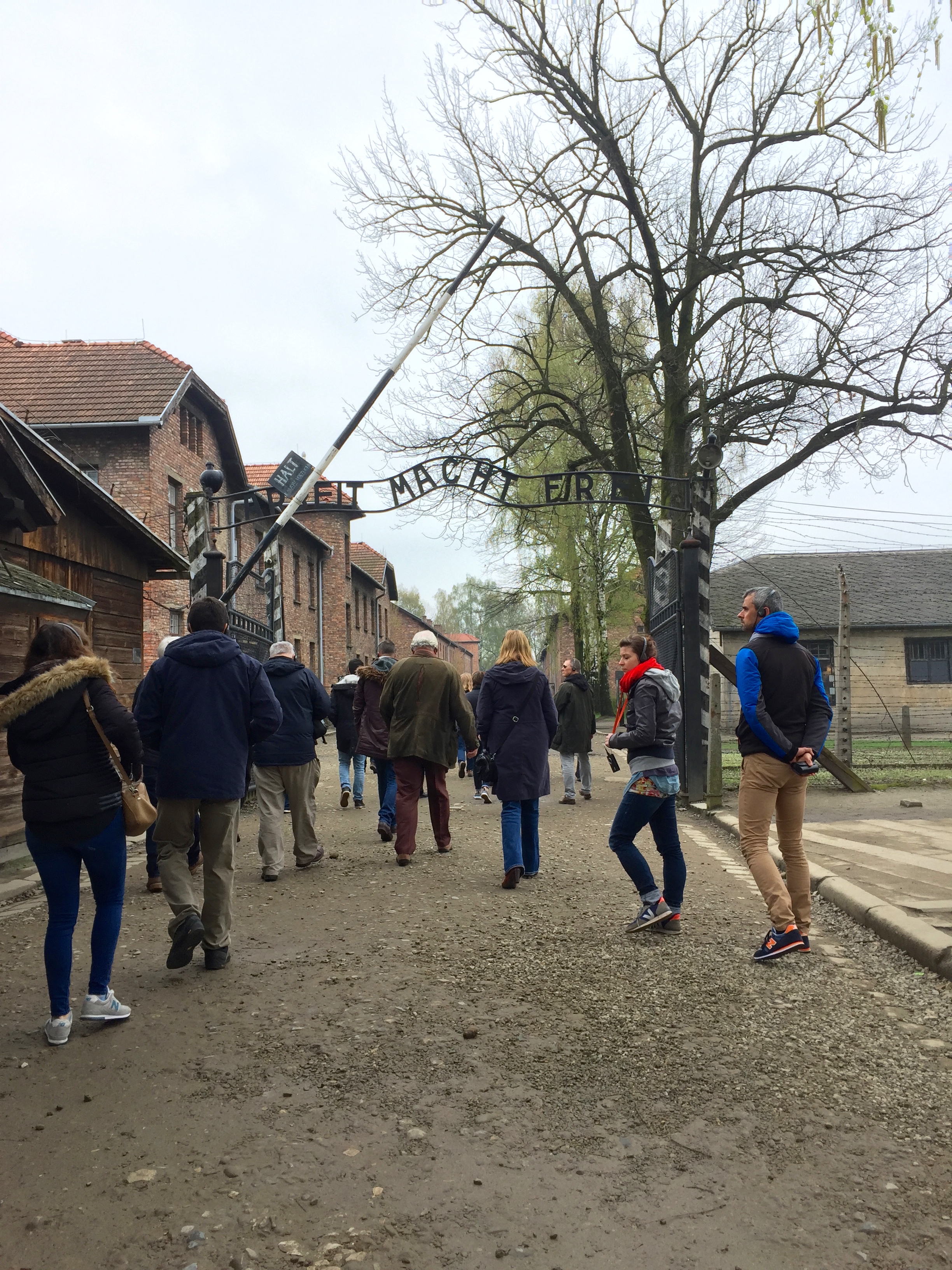
“arbeit macht frei” – “work sets you free”
The Auschwitz site was a Polish military barracks prior to being used as a concentration camp. It was chosen for logistical reasons – at the time, most of the Jews in Europe were located in eastern Europe (in 1939, there were 3.5 million Jews living in Poland; by the end of the war all but 300k were liquidated or died of starvation). Auschwitz was also chosen because it was along a railway. The camp was established in April of 1940 when SS officers went in and began organizing the operation. One of the first things they did was bring over German convicted criminals from another concentration camp to be trained to serve as the lackeys of the SS and oversee the discipline of the future Jewish prisoners (they were called “kapos”). Prior to the German occupation of Poland, there were years of ethnic tensions and conflicts between Polish Jews and non-Jews (I didn’t know this). Despite that, many Poles were identified as helping their Jewish countrymen, including many in Auschwitz. They risked their lives to hide the Jews or to provide food and other items to the prisoners in the camp and people in the ghettos (Gentiles who did this were later identified and awarded as “Righteous Among the Nations”).
The Germans tried to reuse everything plundered from the prisoners. They kept inventory of who had gold teeth so they knew to extract them before they put their bodies into the crematorium. They sold human hair to German manufacturing companies who used it to make blankets and jacket linings. Ashes from the crematoriums were used as fertilizer on crops that were grown. When Auschwitz was liberated, plundered items were still there. On the site tour, I saw a room full of 2 tons of human hair, another with 40,000 shoes, and another full of suitcases. This is just a portion of what was left at the camp, after the Germans had several days to start destroying things and moving items to Germany.
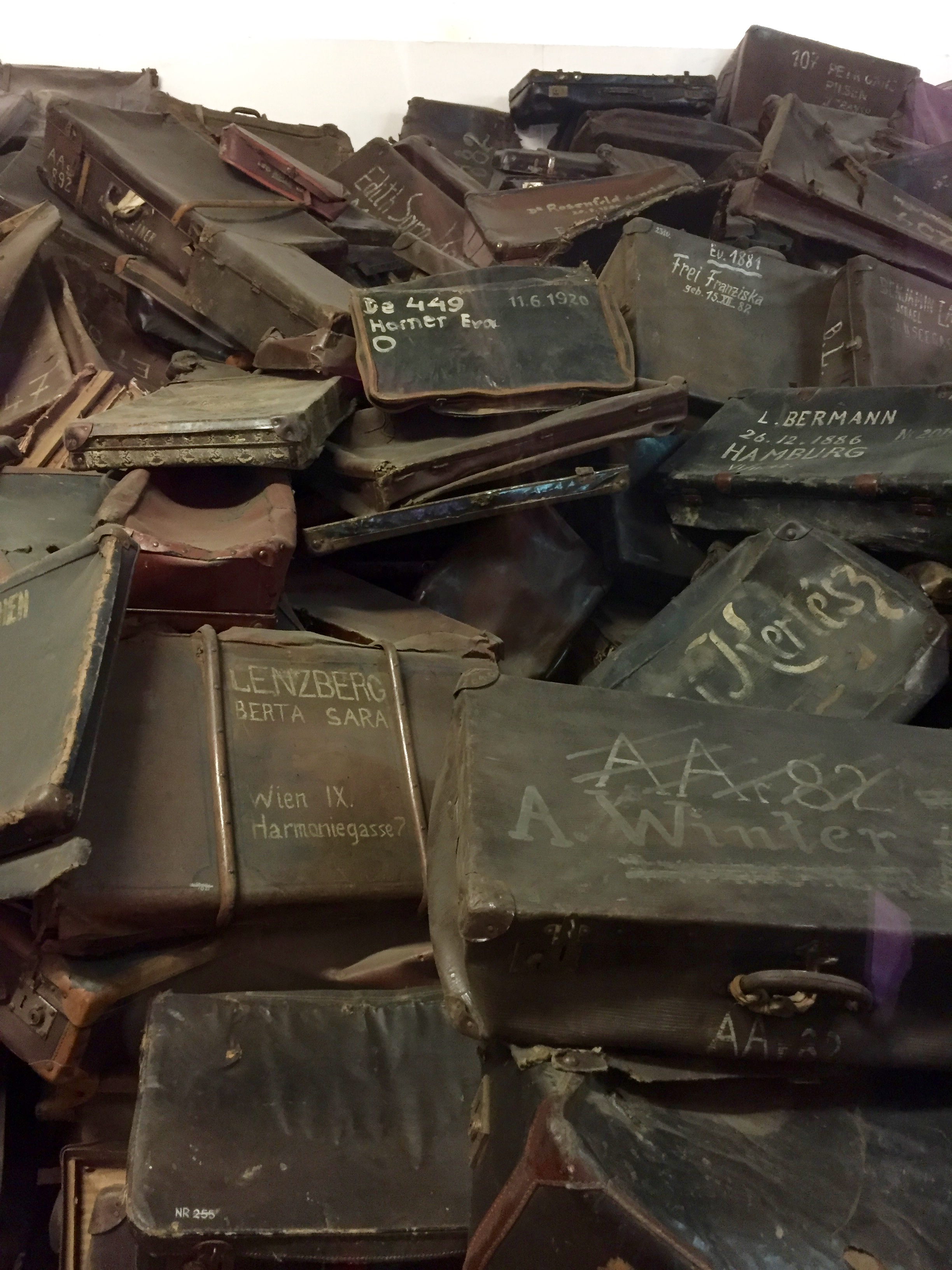
The ‘resettlement’ deportation announcements that were distributed in the ghettos exclaimed that it was time for the Jews to resettle but they could request exemptions. Many people filed for exemptions and were rejected. One exemption letter I saw was from a new mother, asking to let her baby avoid resettlement and stay behind in an orphanage because she was worried the baby wouldn’t survive the journey. The baby was sent to an orphanage in the ghetto and died two weeks after her mother was resettled and liquidated. It’s difficult to think about someone going through this process and what they must have been feeling and thinking, not knowing what their fate would be but hoping for some kind of positive outcome.
Our tour guide has worked at the museum for several years. He told stories about meeting Auschwitz survivors. He told us about one survivor who had visited, and he asked her if she was still affected by her time in Auschwitz. She said “Not regularly. But you know what bothers me, Simon? Stripes. I can’t wear clothes with stripes.” I started crying thinking about this woman who was so traumatized that she still suffers when randomly presented with something banal, which then triggers her trauma.
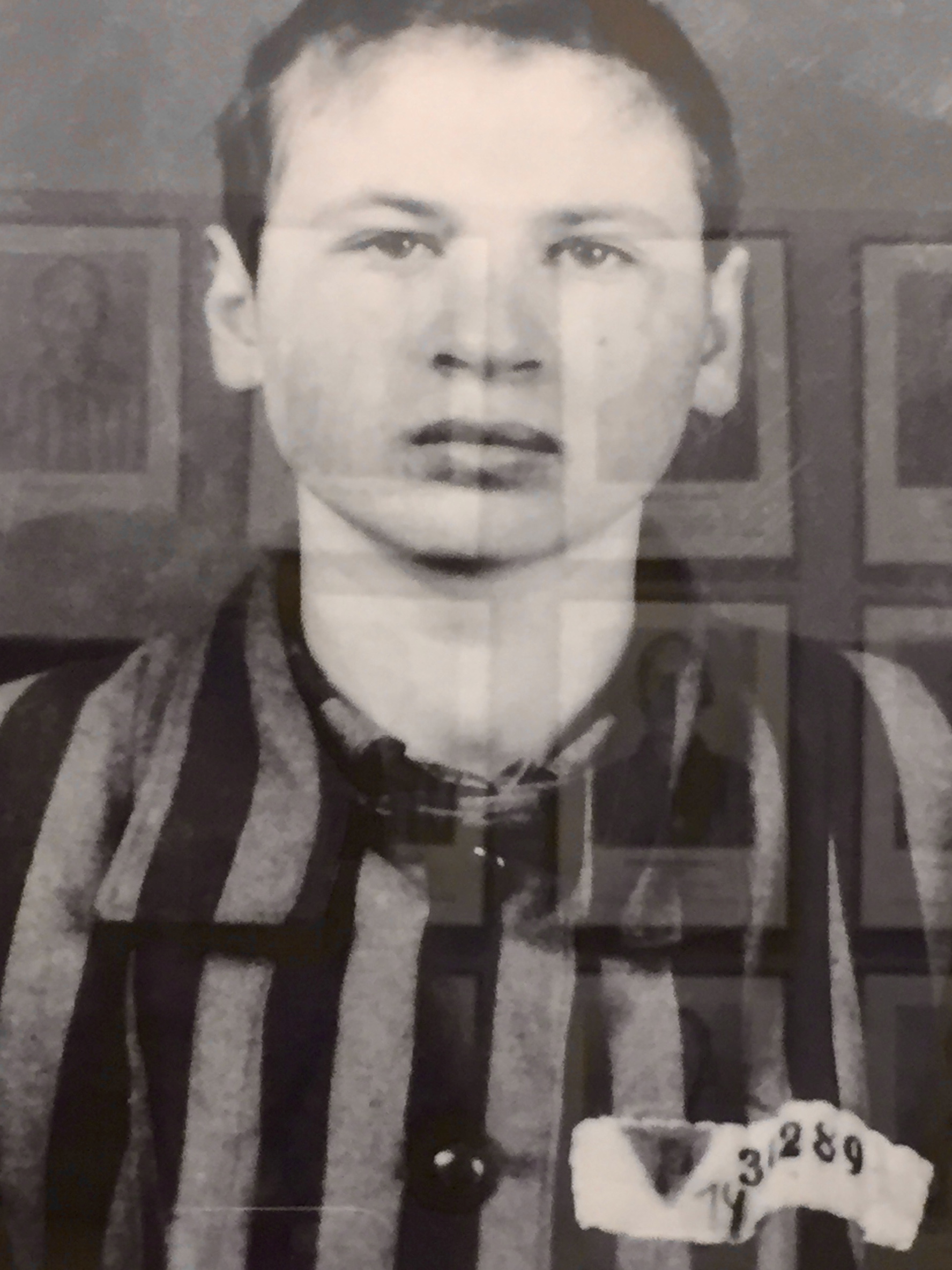
photo on wall of female prisoner
During the war, Birkenau and Auschwitz were expanded to increase throughput. The gas chambers and crematoriums weren’t big enough to kill as many people as Himmler wanted in a certain amount of time, so they built out the sites to increase liquidation. Disgusting.
When Auschwitz was liberated by the Soviets, 7,000 prisoners were found alive. Because they were so malnourished, only 500 of them ended up surviving. There is a platform outside the main gate of the camp where, after the Polish government put the Commandant of Auschwitz on trial, they executed him by hanging.
It’s hard to consider the enormity of the Holocaust. Even though it was a difficult day, I’m glad that I toured Auschwitz. It’s one of the most memorable parts of my trip, for obvious and impactful reasons. I feel more sensitive to hate rhetoric now, and I understand (even more) why certain politicians truly scare people with their unresponsible words. It also makes me think about the travesties that are currently occurring in the world and what we, or me, or anyone, is doing about those. In some moments, I think the world has a bright future, and in other moments, it looks extremely bleak. A person I greatly respect and admire told me something very simple one time, but it reverberated with me. He said, “Things change, and we make decisions.” I interpret as: “You are in control of how you are affected. You are not a victim.” To take it a step further, I also like to think: “Things stay the same, and we make decisions.” What we do in this world and the legacy we leave as individuals – all depends on the decisions we make, every day. This trip I’m on, with new experiences, ample time for reflection and my renewed motivation to examine some of the questions I’ve always had, has led to ideas starting to develop, and I’m eager to see what kinds of decisions those notions eventually lead to.
Next up: Lovely Prague
Slovak Surprise
I’m putting out an A.P.B. for a Bratislavan man named VLADIMIR ŠUSTER. Slovakia license plate # BL103KX.
It sounds like the name of a criminal, doesn’t it? Vladimir… very common Slavic name, but is also really often the name of a mob boss in movies (and the name of the ultimate Russian mafia boss / crook) + Šuster – pronounced “SHOO-ster”… sounds and looks a lot like “shyster“.

crook.
After I was in Hungary, I took a bus from Budapest to Bratislava, Slovakia, and when I got to the bus station, I needed to get a taxi from the bus station to the airport to pick-up a rental car. There was a line of taxis queued up waiting, and I walked over to the first one and got in. No sanctioned taxis, but that’s been the way I’ve traveled for the majority of my trip. I guess I drew the short straw because the cab that I got into was operated by Vladimir Šuster.
The drive took 10 minutes, and when we got to the airport, I looked at the meter, and it had 46 on it. I was confused because I thought that Slovakia used the Euro, but there was no way that the trip should cost 46 Euros. Vladimir affirmed that he was, indeed, trying to charge me 46 Euros for a 10 minute cab ride. An argument insued. I told him there was no way I was paying that, he asked how much I would pay, I said 5 Euros, and he was yelling and angry. Then he said, “No less than 30 Euros!” That’s still $34 for a 10 minute taxi ride! No way. He didn’t know much english, which I guess was good because I was calling him every name in the book. I tried to get out to go into the terminal and get help from someone who worked in the airport, but he wouldn’t unlock the door. So then I got a little scared, and he said, “I go to police!”, and he gunned it and started driving out of of the airport! I was really scared at this point because I knew that he could drive me anywhere he wanted and really rob me. I yelled at him to stop and let me out, tossed 30 Euros on the seat, got out of the car, typed his license plate # into my phone before he sped off, and started walking back to the terminal.
JERK! Not a great introduction to Slovakia😧 Sooo, I went inside the airport to the information desk and reported him – his name, info, and his license plate #. The ladies working there were really nice and apologetic, even. As we were talking about it, one of them googled his name, and THERE WAS ACTUALLY A NEWS ARTICLE WITH A PICTURE OF HIM TELLING PEOPLE TO LOOK OUT FOR HIM BECAUSE HE IS RIPPING PEOPLE OFF!
For anyone traveling to Bratislava, Slovakia in the near future, if you get into a taxi with Vladimir Šhuster, find a different cab immediately! My first blatant rip-off thus far on my trip, so I’m lucky for that😄
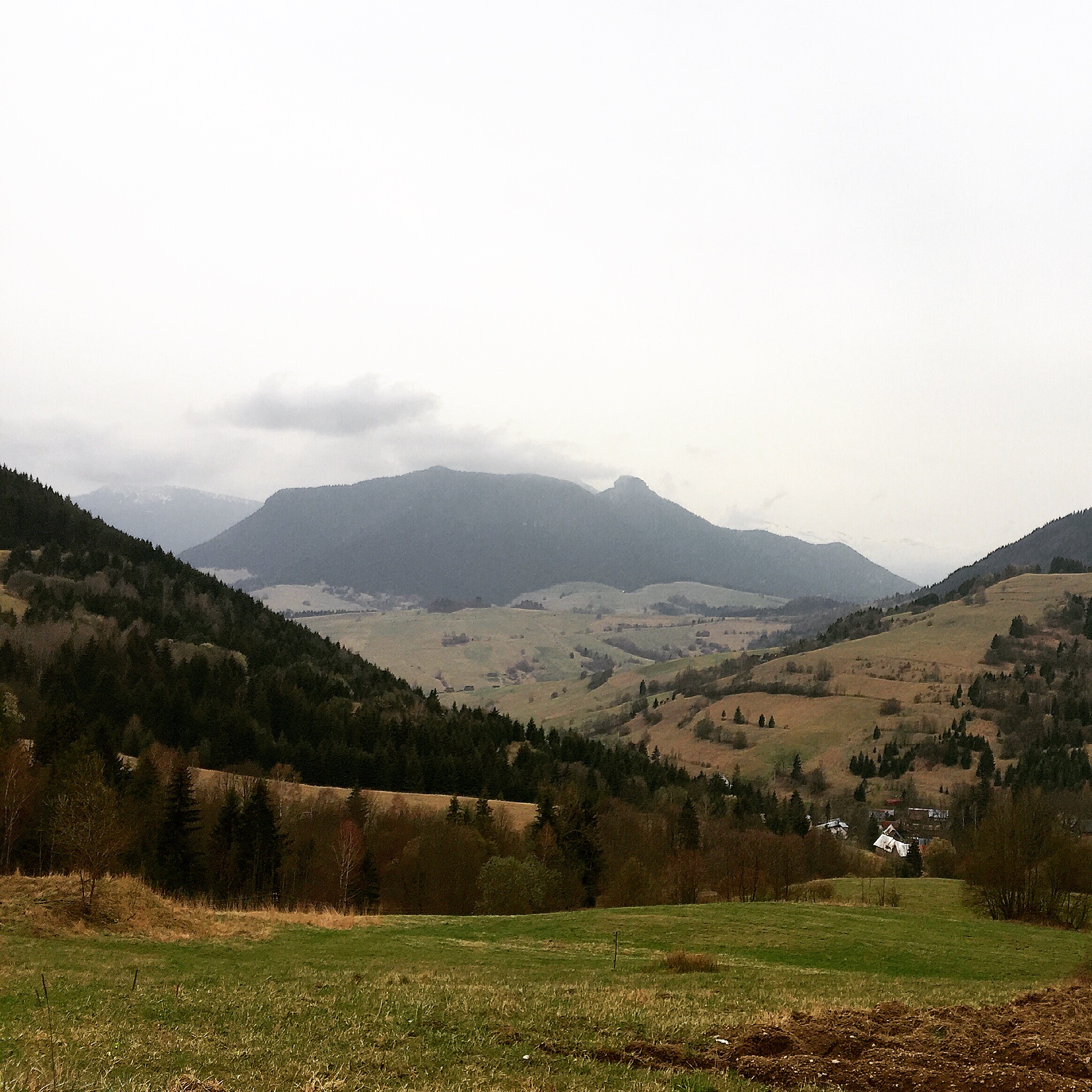
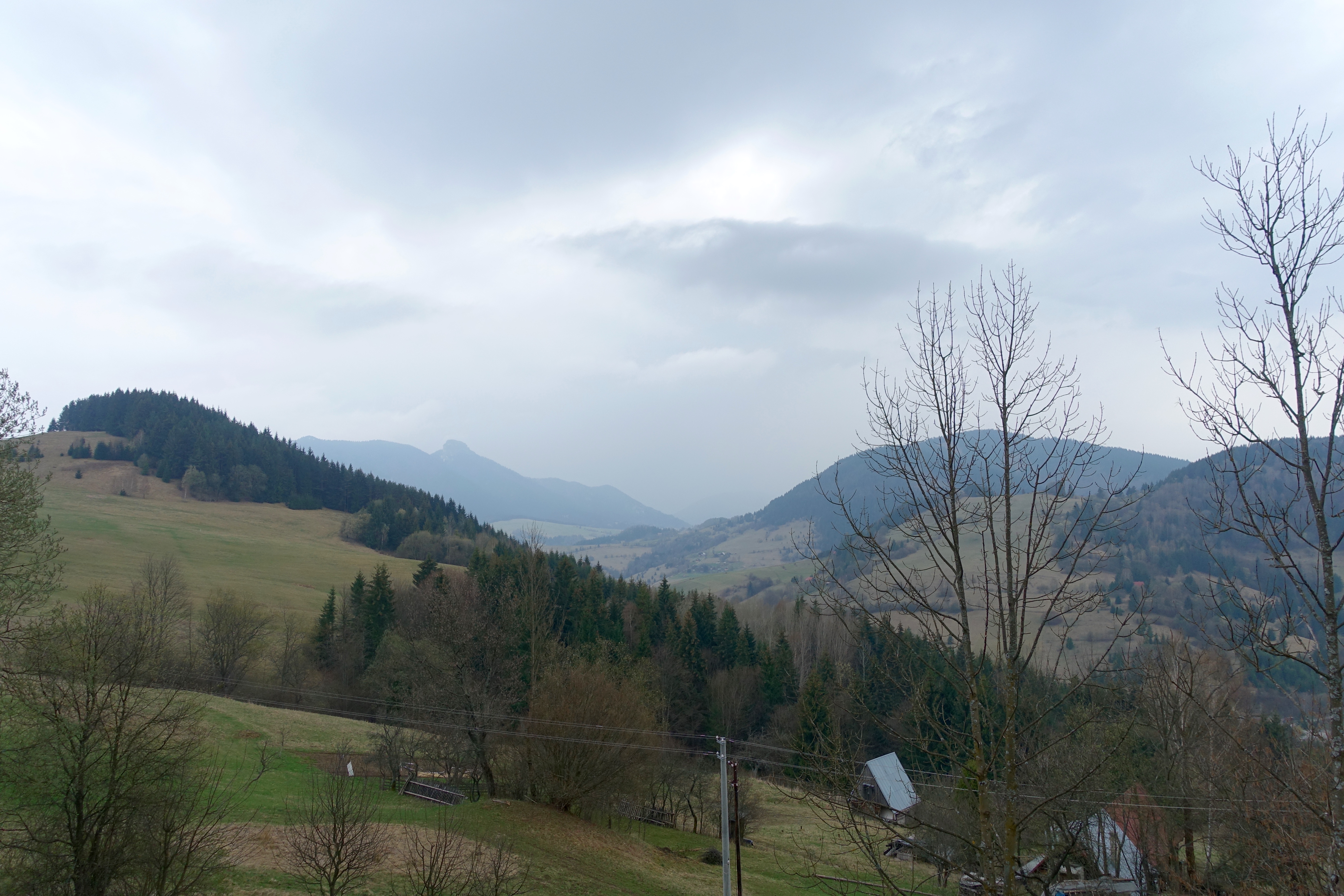
The rest of Slovakia, thankfully, was a great Slovak Surprise😍 National Parks, trees, mountains, rivers, pine trees, seclusion… It reminded me of West Virginia and Kentucky a little😍
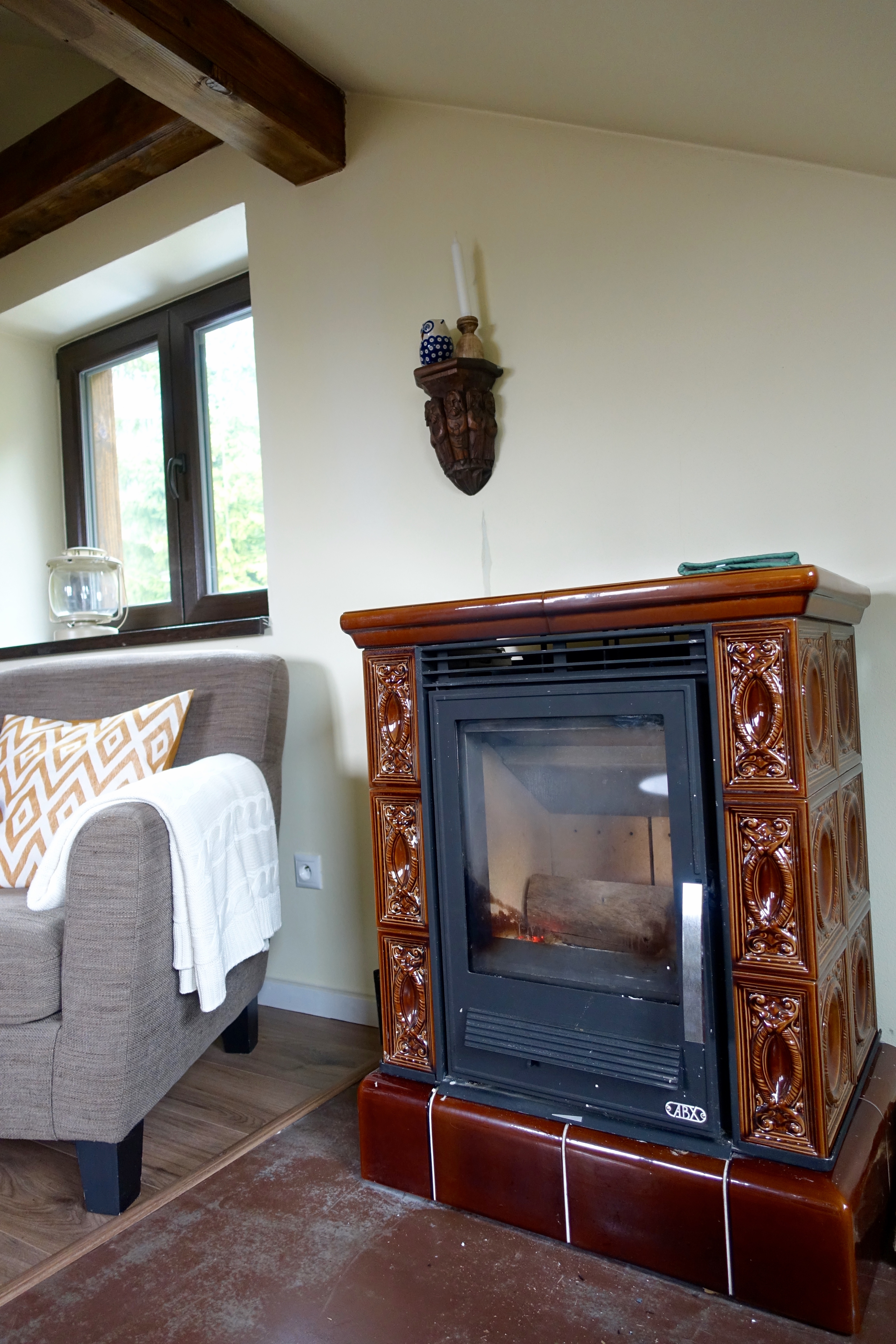
I stayed in a cabin in the woods, on the side of the mountain near a town called Zazriva. It’s outside of the Low Tatras National Park. I was surprised at how beautiful the countryside in Slovakia is. The house had heat via the fireplace, so I had a great time getting firewood from the shed and bringing it into the house and controlling the fire. LOVED IT. Serious flashbacks of growing up in Kentucky with a wood stove for heat and having to get firewood from the barn (which I hated at the time)☺️. I remember trying to get as much wood as possible into the wheelbarrow in one trip so I wouldn’t have to make more than one trip, and then tipping the wheelbarrow because it was too heavy, and having to pick it all up😂 Haa, those were the days…
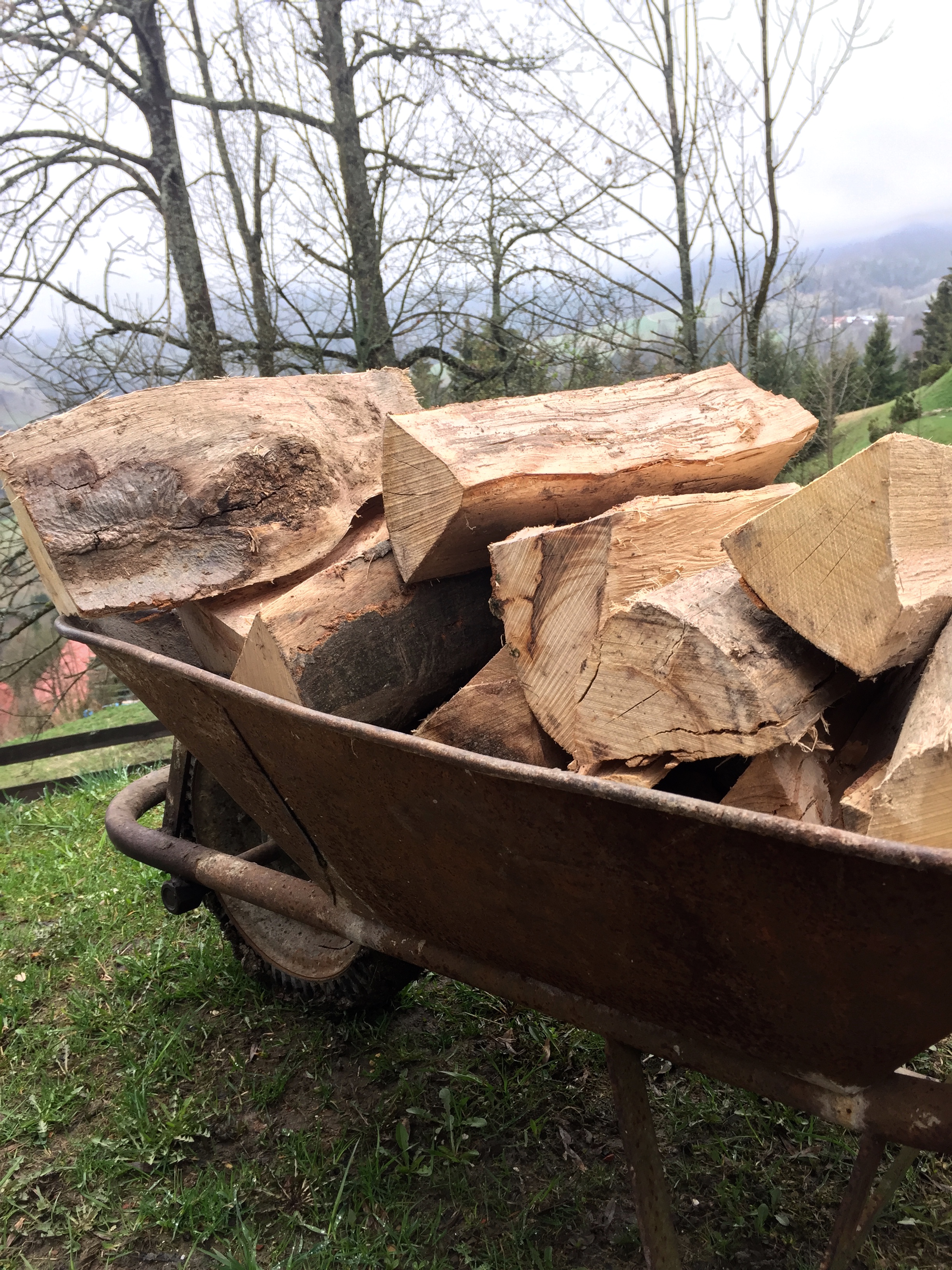
firewood:)
This place was so prettyyyy



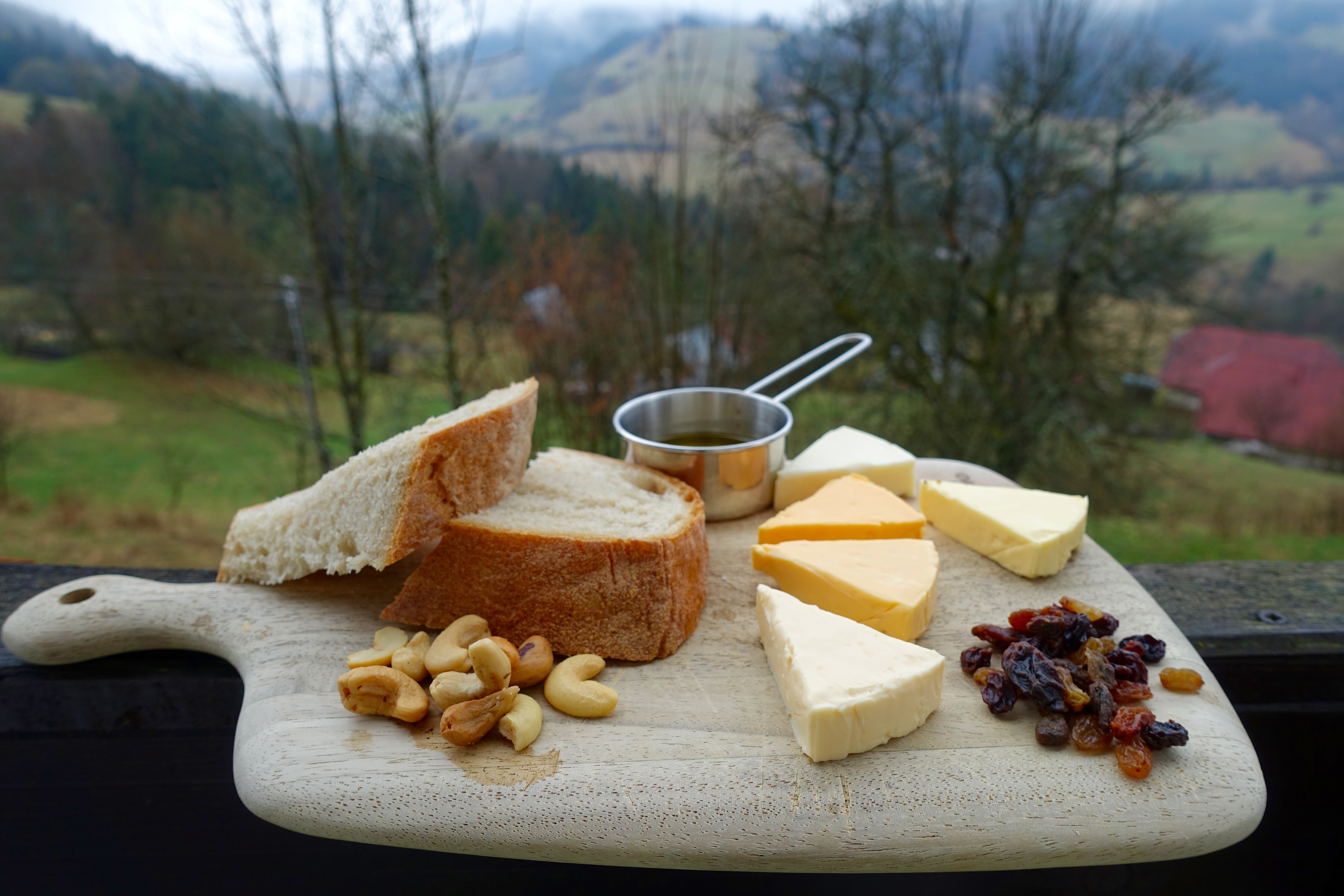
slovakia lunch

totes mcgotes loved the view
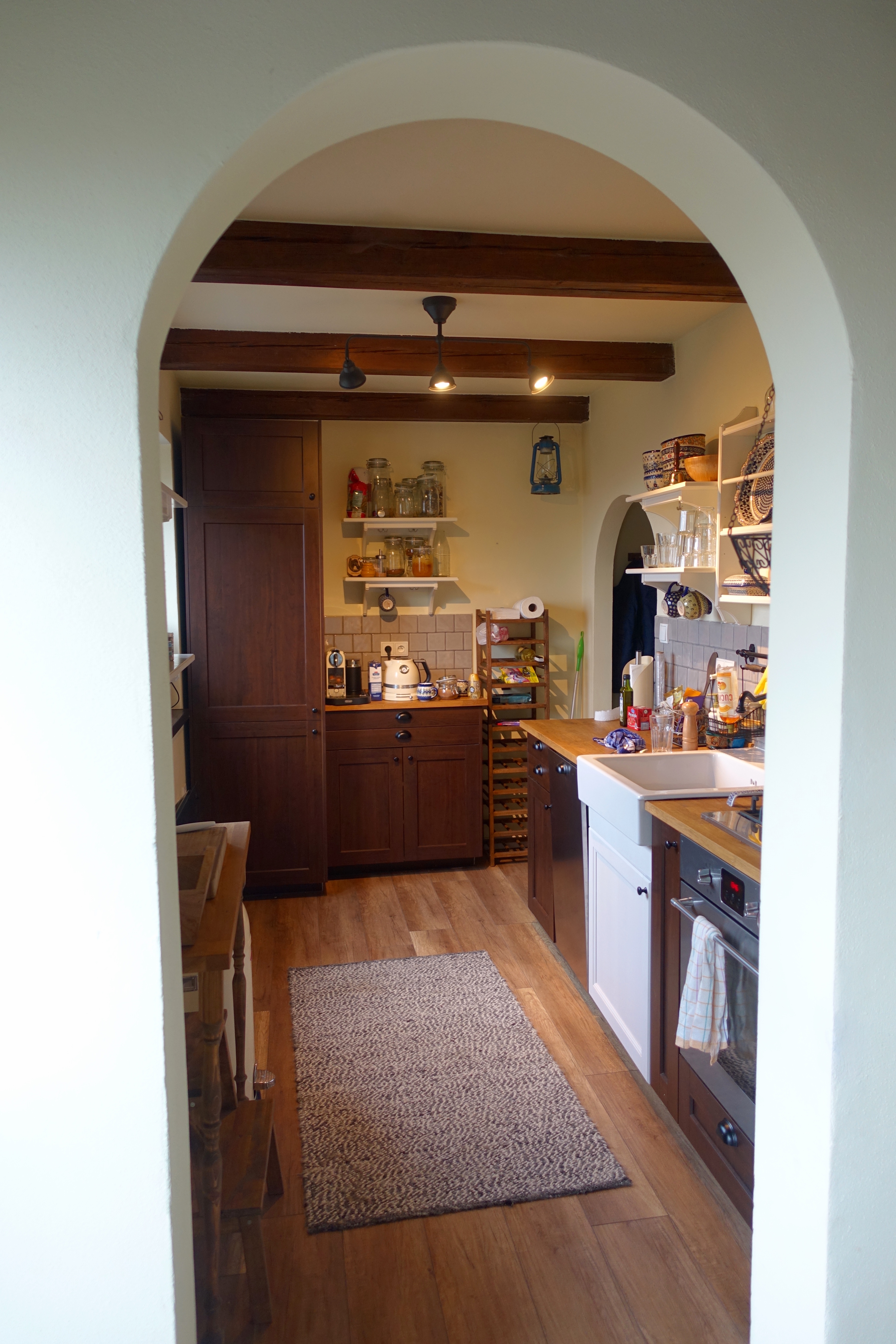
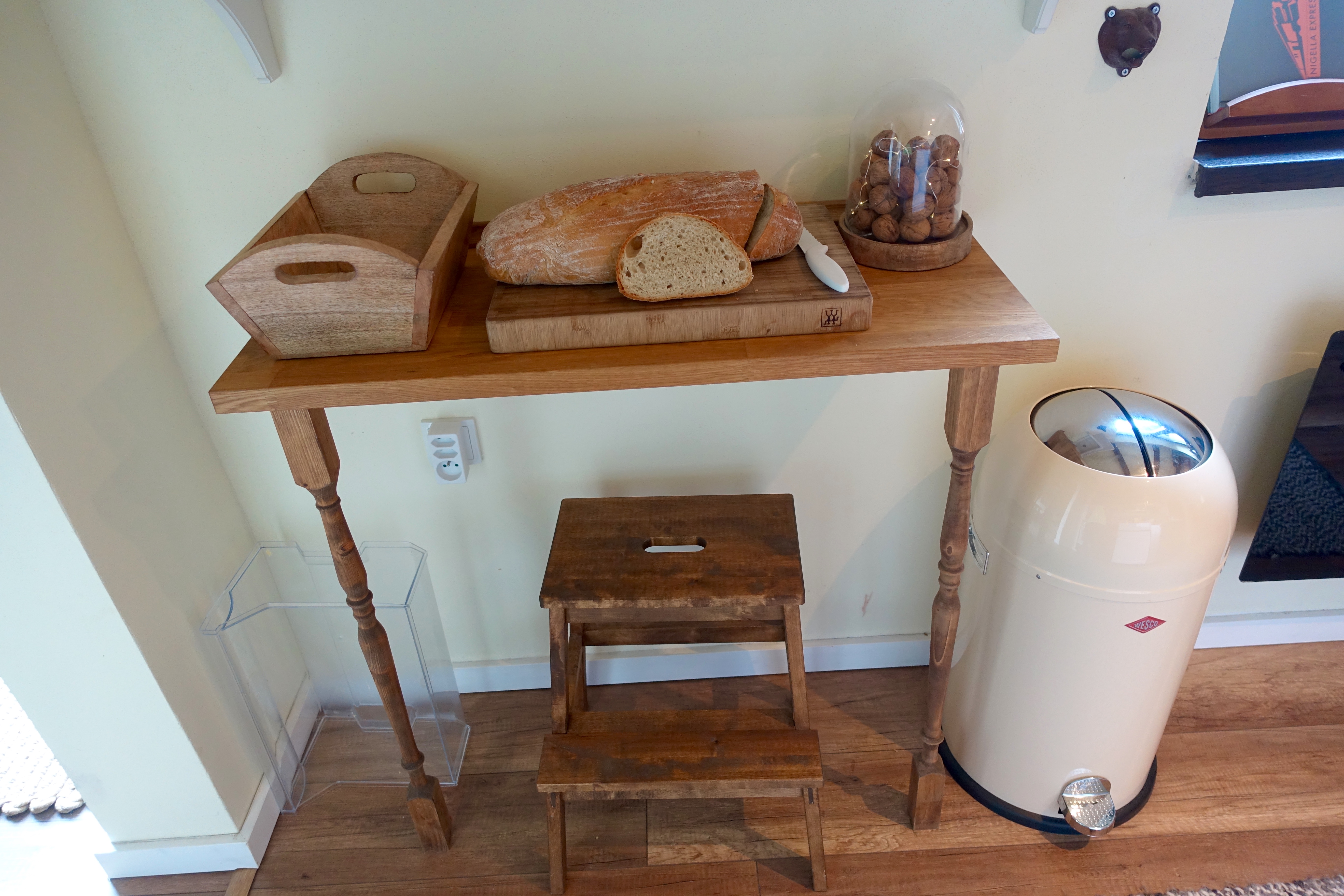
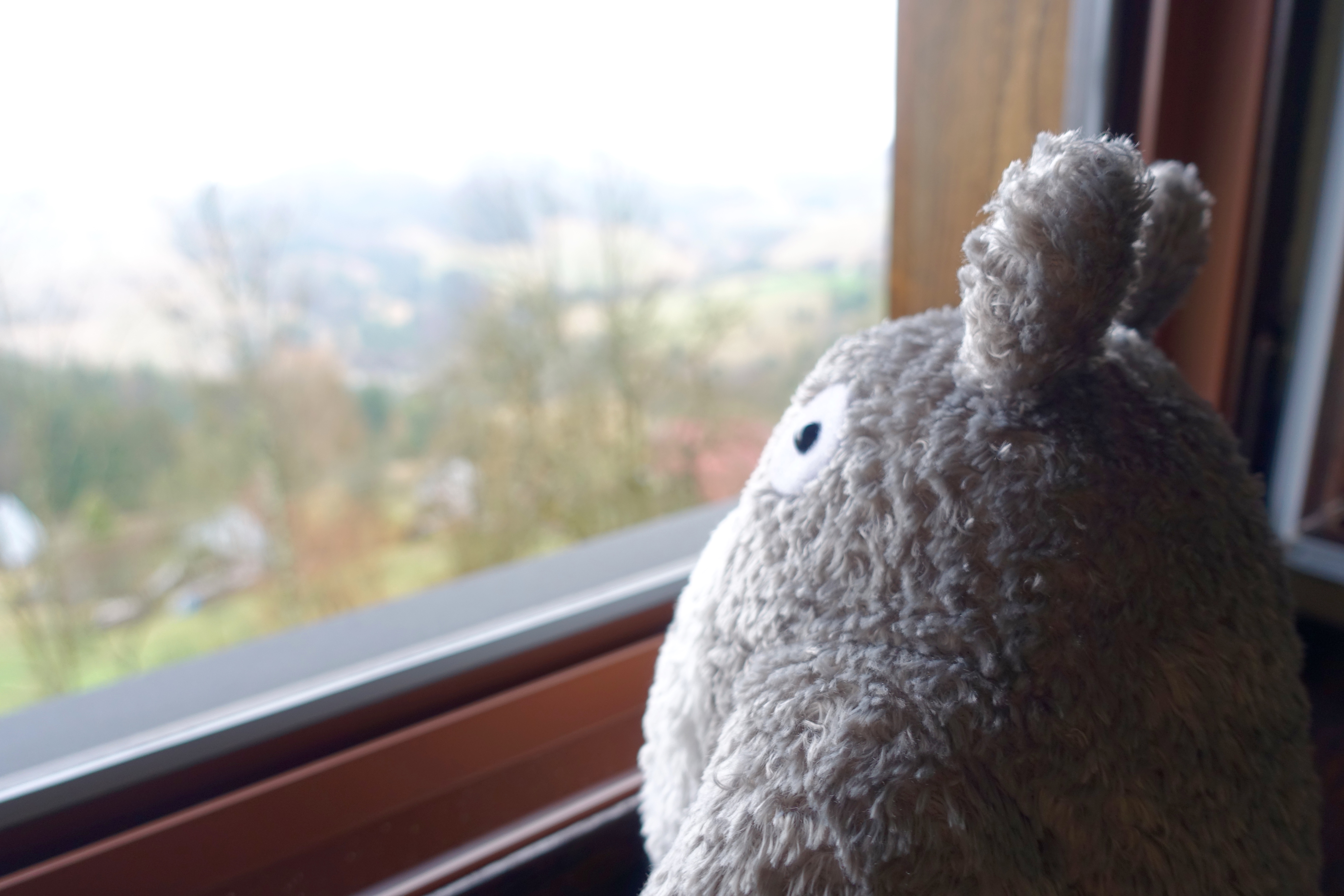
I visited one town that was a 30 minute drive from the cabin – Dolny Kubin. It was Sunday and rainy, so I guess that’s why EVERYTHING was closed..?😂
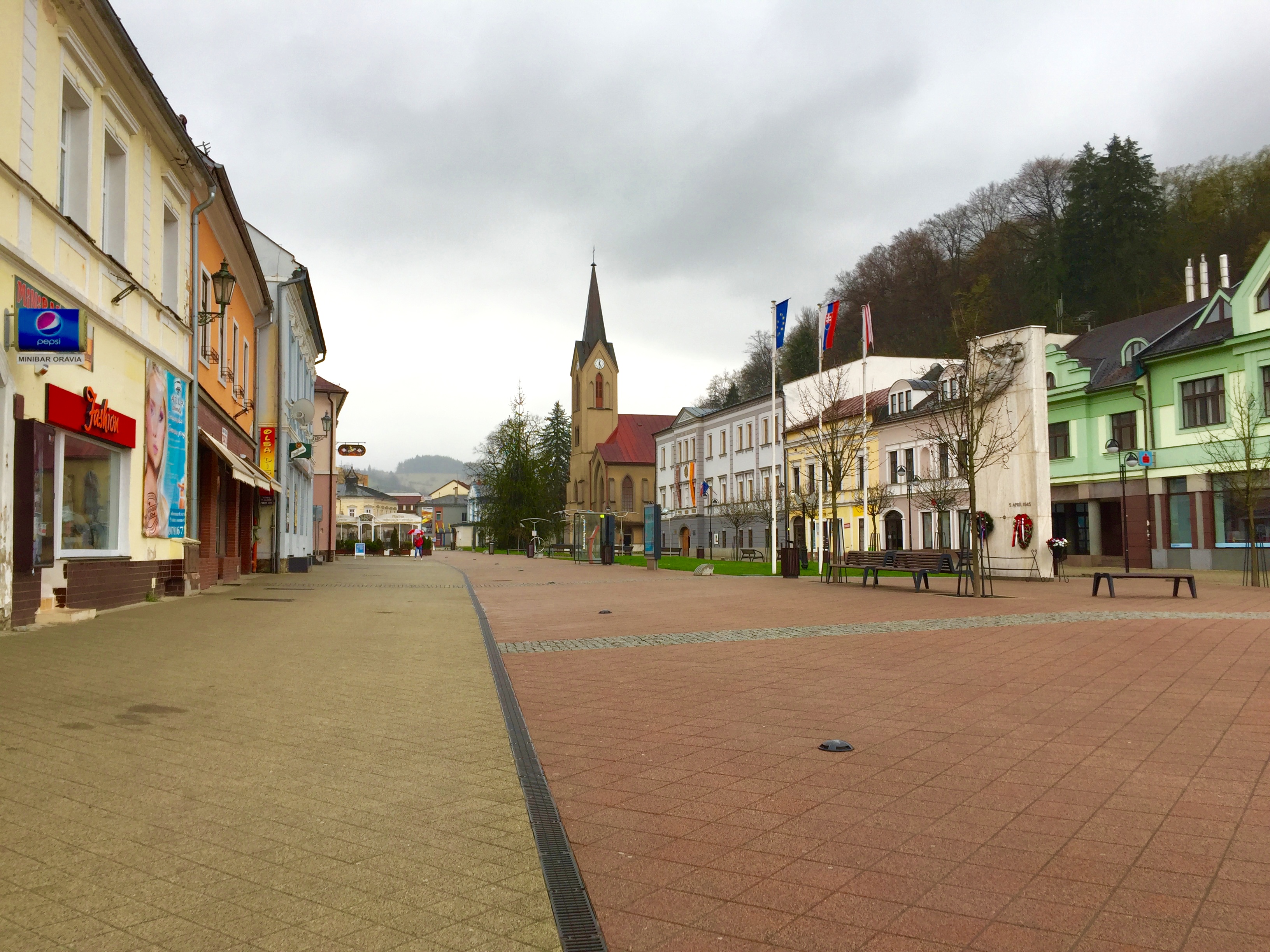
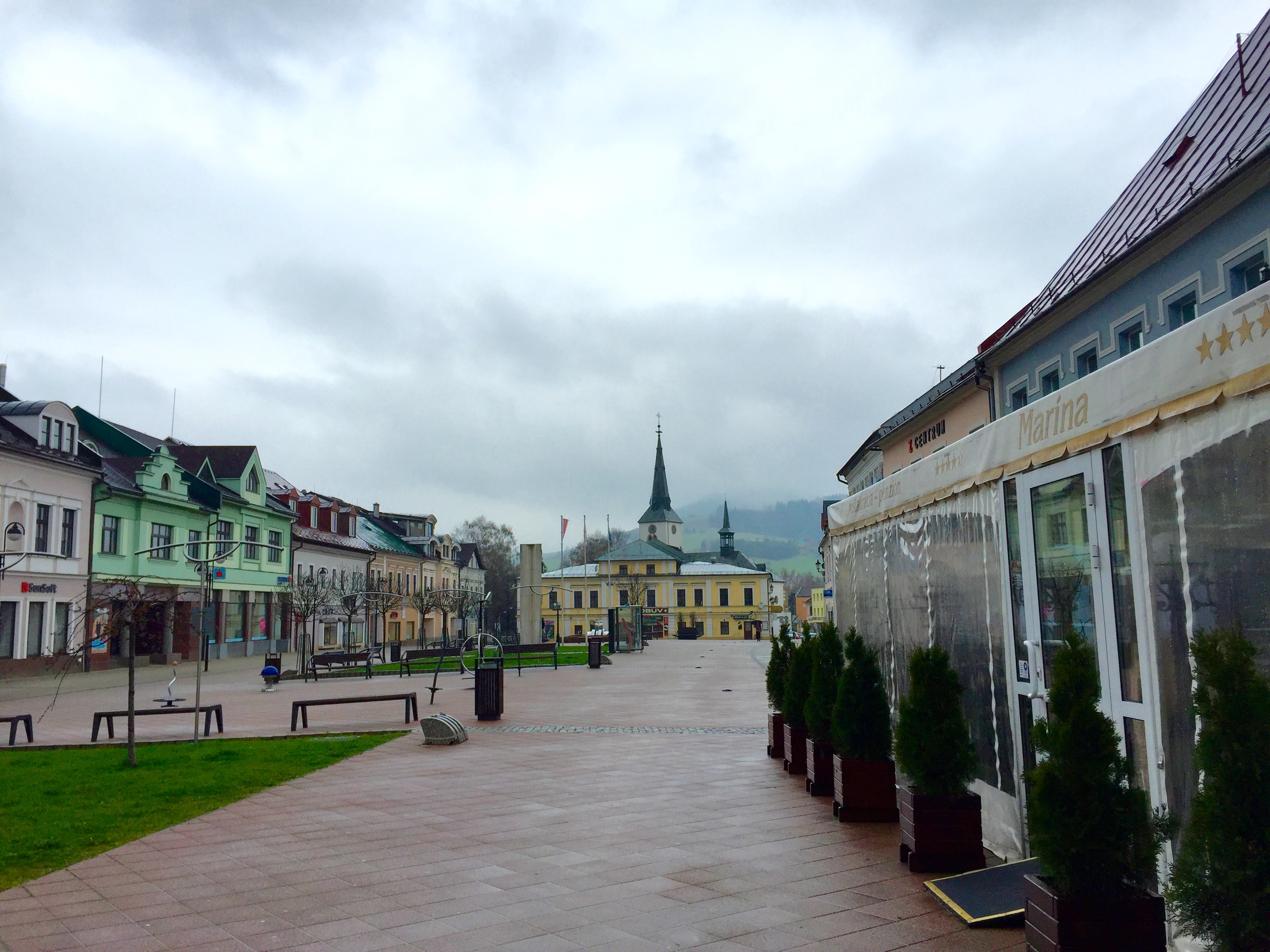
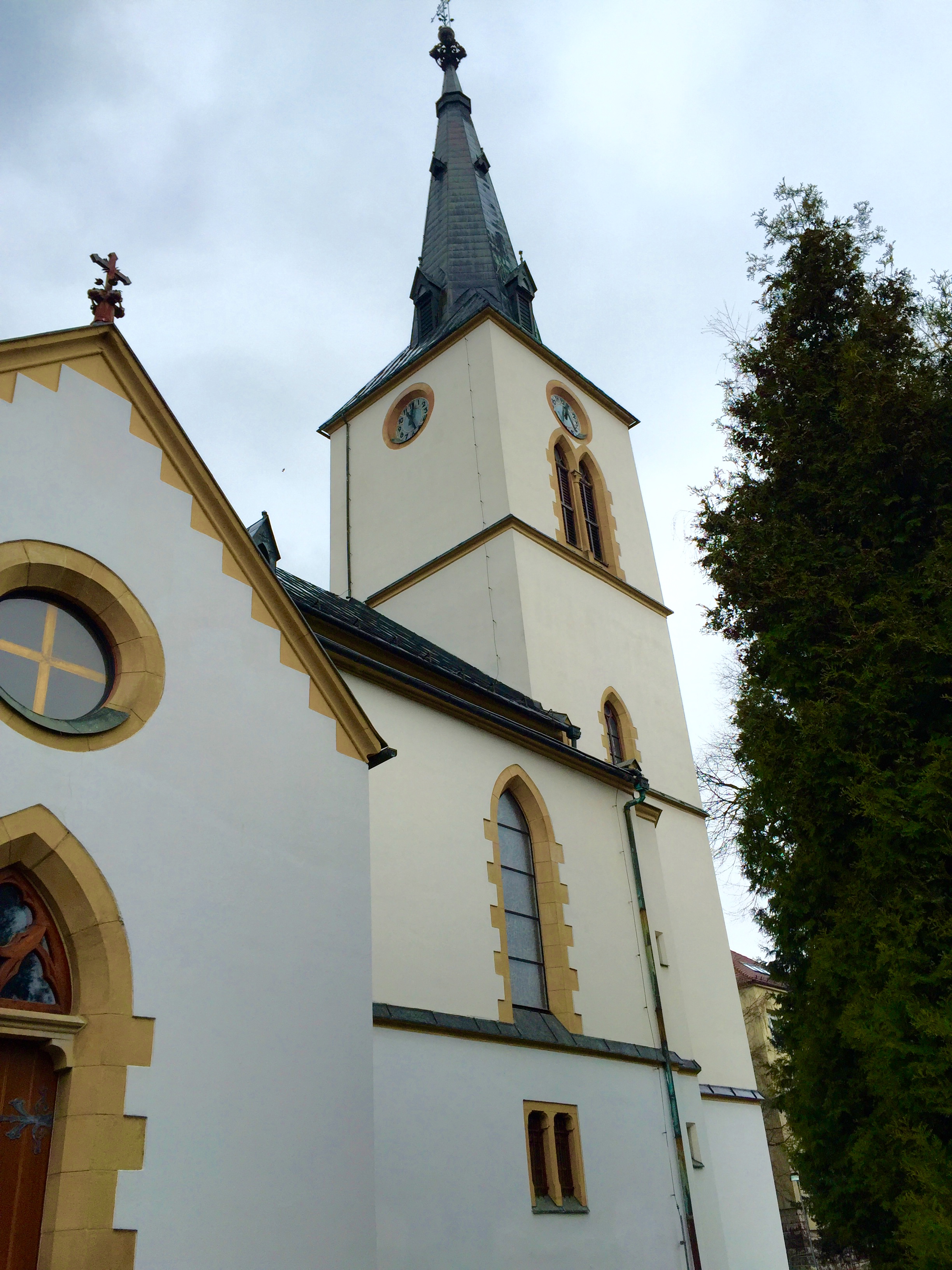
I loved it here. I walked on the trails by the cabin, enjoyed the scenery, cooked a little, and really didn’t do much else. It was great.

what is the bottom one
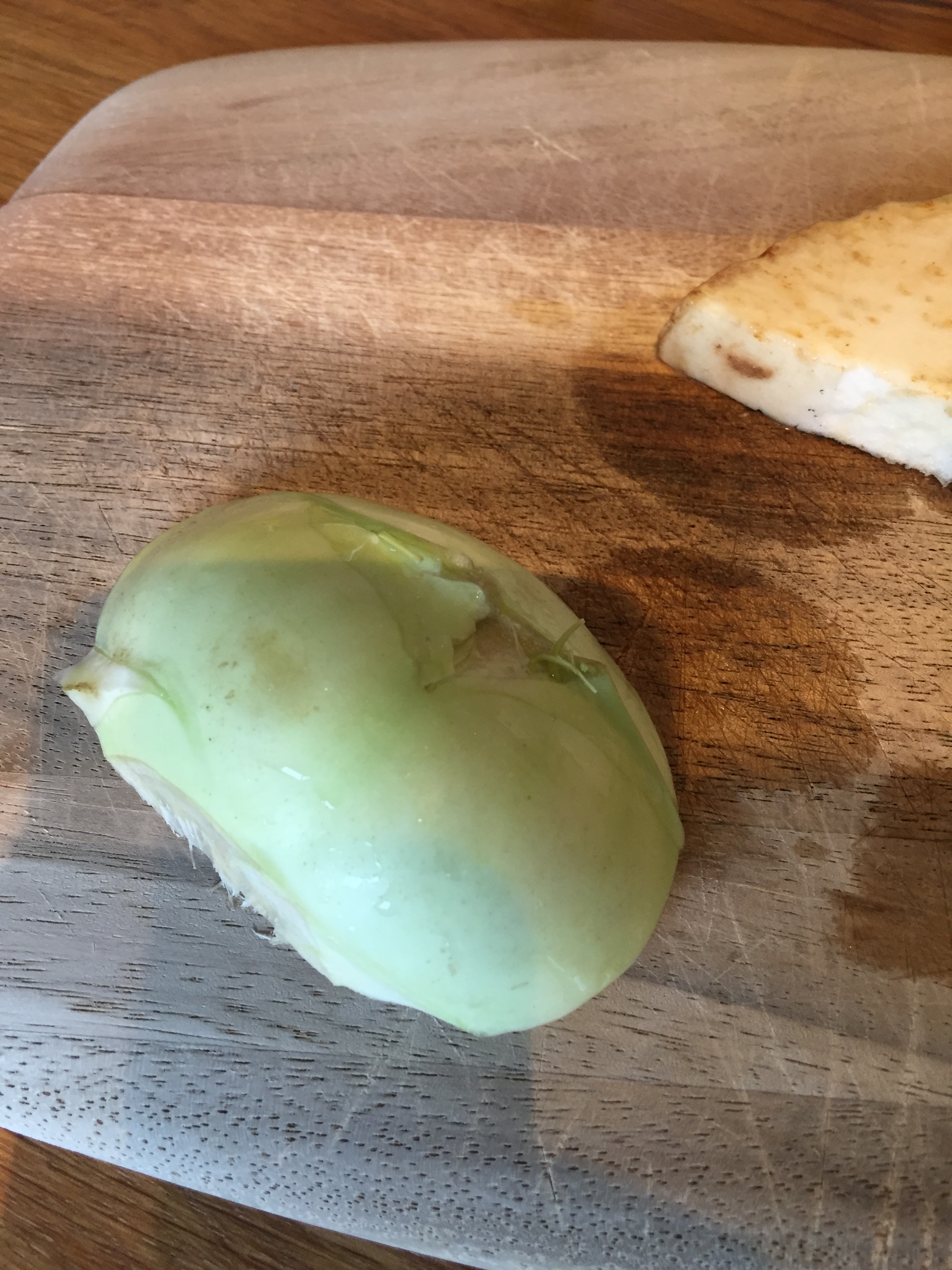
couldn’t figure it out
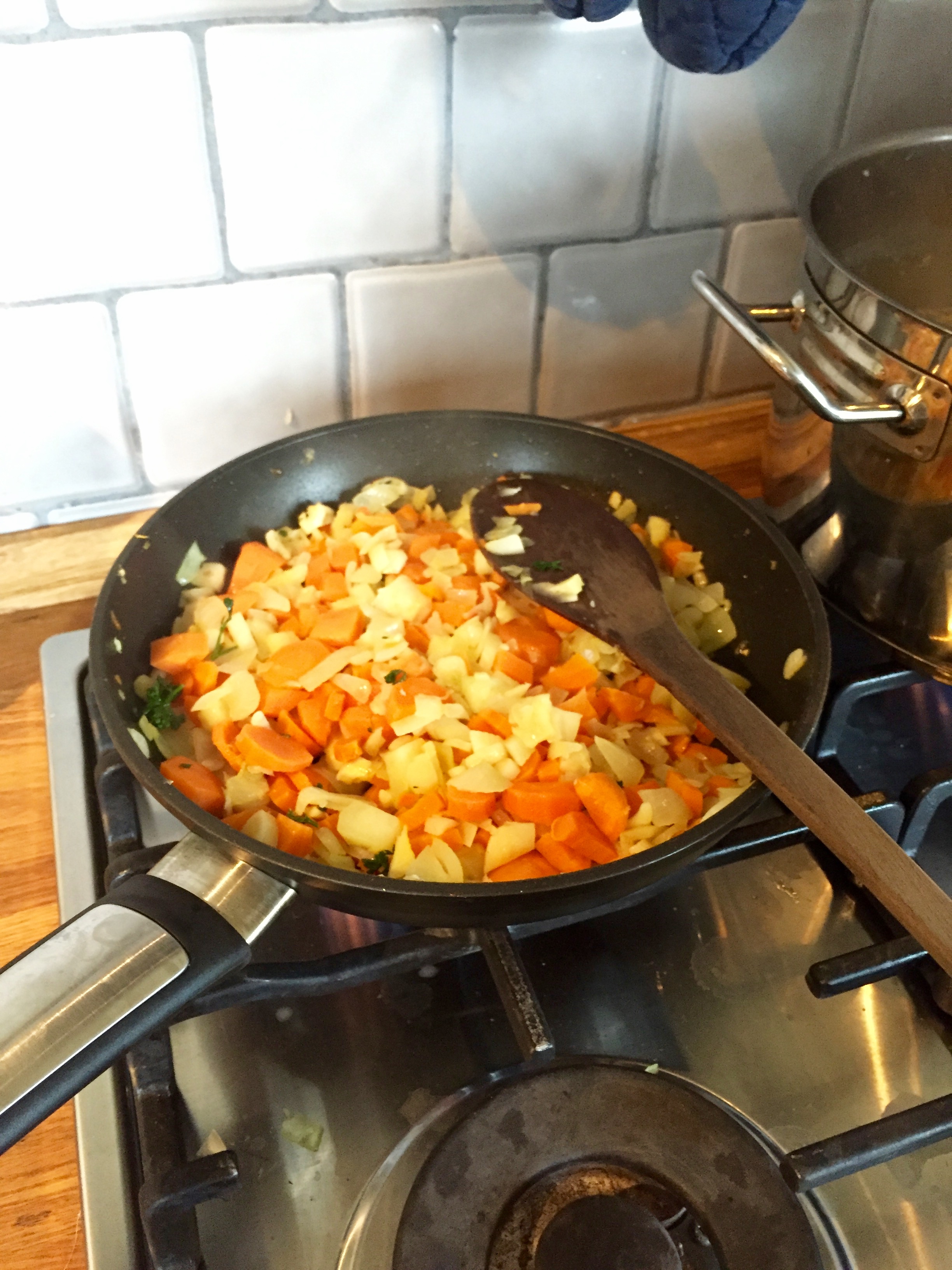
veggies

camembert
After some time of visiting cities, this was a great respite from crowds and noise! I drove to Poprad to drop off the rental car at the airport (creepy, empty airport), where no one was working at the rental car place, and no one was answering the phone! I ended up getting a lady who worked at the airport office to call THE FATHER OF THE DUDE WHO WORKED FOR EUROPCAR…? Because the dude who actually works there wasn’t answering his phone! And the dad was awesome!!😂 He came to the airport, took the car keys and GPS from me, and then dropped me off where I needed to catch my bus to Krakow!!! I didn’t ask him to do any of this. He was awesome. He was a retired Tourist Guide, and he said now (other than helping out his son, who he said he was going to have a talk with😂), he hang glides five days a week. He said, “I’m retired, but I have to do something!” I was very grateful that he helped me when he didn’t have to.
The bus to Krakow was a mini-van, and it took around two hours to get there. I arrived in the evening, and the next day was my only day in Poland, and I was to visit Auschwitz.
Next up: a little bit of Poland

 wordsmakesentences
What you’re saying